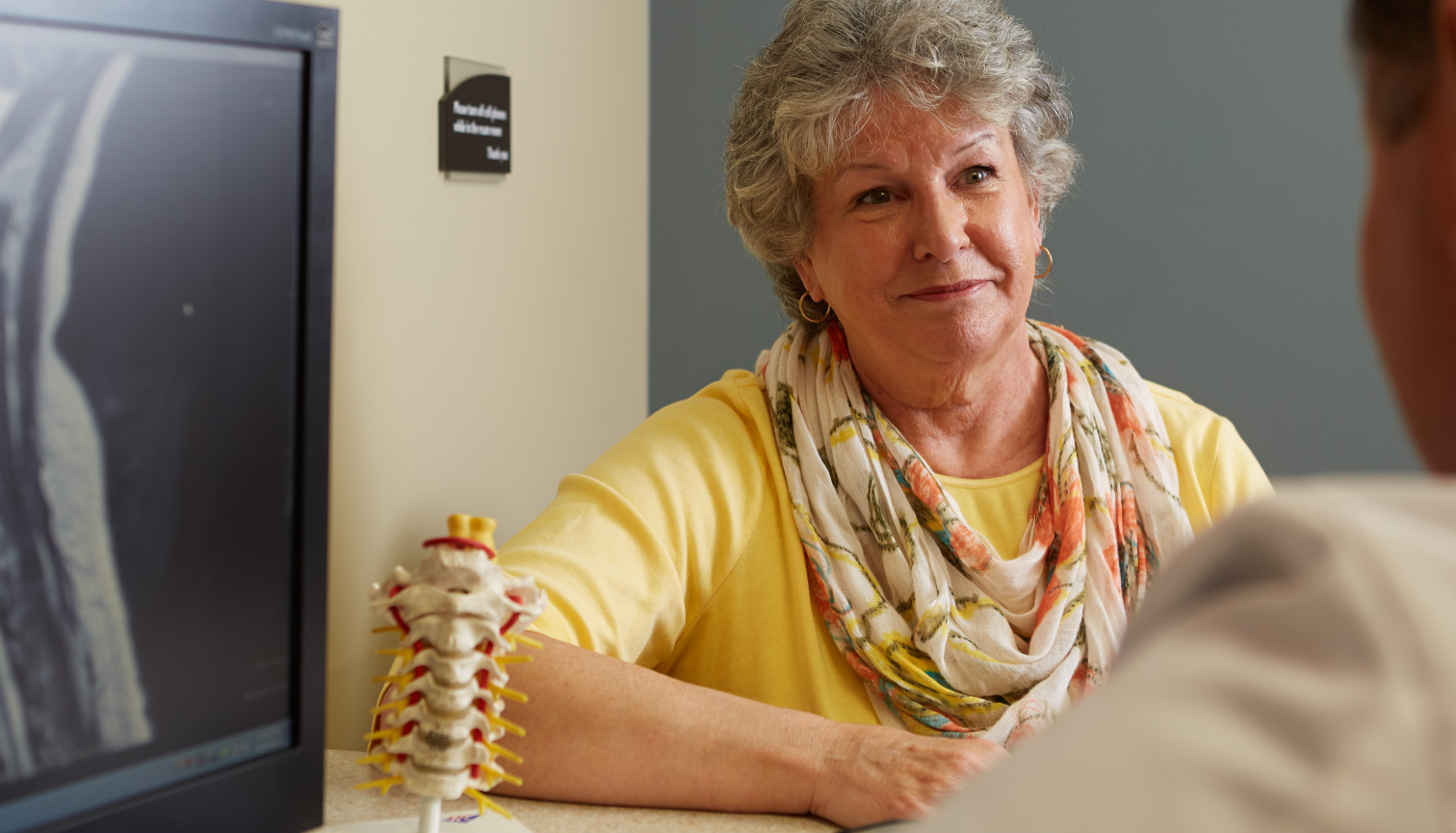


Life-Changing Brain Surgery in Eugene, OR
Our Brain Surgery Options
Here’s a short breakdown of our brain surgery services:
- Brain Tumor Surgery: Oregon Neurosurgery offers advanced surgical techniques for treating brain tumors. Our surgeons use the latest technology and procedures to safely and effectively remove tumors, helping patients achieve the best possible outcomes.
- Neurosurgery: Our neurosurgeons are skilled in treating numerous neurological conditions from complex spinal surgeries to minimally invasive procedures. Whether you’re suffering from a brain tumor, spinal disorder, or neurological trauma, we’re here to help.
Experience Excellence in Neurosurgery at Oregon Neurosurgery
Frequently Asked Questions
What is the recovery process like after brain tumor surgery?
The recovery process varies depending on factors such as the size and location of the tumor, as well as the individual patient's health. Generally, patients can expect to spend several days in the hospital recovering before gradually returning to normal activities.
What conditions might require brain surgery?
Brain surgery may be necessary to treat a variety of situations, including brain tumors, traumatic brain injuries, blood vessel abnormalities, and neurological disorders such as epilepsy and Parkinson's disease.
How do I know if I need neurosurgery?
Suppose you're experiencing symptoms such as severe headaches, seizures, weakness or numbness in the limbs, difficulty speaking or understanding language, or changes in vision or hearing. In that case, consulting with a neurosurgeon for a comprehensive evaluation is essential.
What are the symptoms of a brain tumor?
Symptoms can vary depending on the tumor's size, location, and growth rate. Common symptoms may include vision and hearing changes, balance or coordination difficulty, seizures, headaches, and cognitive changes such as memory loss or confusion.
Brain Conditions Treated
- Brain tumors
- Meningiomas
- Acoustic neuroma
- Malignant tumors
- Glioma
- Brain metastases
- Chiari malformation
- Trigeminal neuralgia
- Vascular malformations
- Trauma
- Movement disorders